
Bulk Ammo Secrets: How to Stack Thousands of Rounds Without Breaking the Bank
When a competitive shooter burns through hundreds of rounds in a single practice session, bulk ammo ensures they never have to pause to ration their supply. This ammo is simply factory-loaded cartridges sold in large quantities, typically in cases of 500 7mm-08 Ammo for Sale to 1,000 rounds, rather than in small retail boxes. By purchasing in volume, you reduce the cost per round while maintaining the same caliber, bullet weight, and powder charge as standard boxes, meaning it feeds and fires identically in your firearm. Store it in a cool, dry environment and rotate your stock to keep the primers and propellant fresh for consistent performance.
Why Buying in Volume Cuts Your Per-Round Costs Dramatically
When you buy a box of twenty, you’re paying for packaging, shipping, and retail markup on every single cartridge. But when you order bulk ammo by the case or pallet, those fixed costs spread thin across hundreds or thousands of rounds. The manufacturer’s per-unit profit margin stays similar, yet the dealer can shave shipping weight and handling fees, passing that savings to you. That’s why per-round costs can drop by 20–40% overnight. I’ve seen shooters pay $0.50 a round at a store, then grab a 1,000-round case of the same load for $0.38—just by committing to one large transaction instead Ammunition for Sale of twenty small ones. You also save on range-day trips: fewer stops mean less gas and impulse buying. The math is simple, but the punch comes when you stack that volume against a year of practice sessions.
How Wholesale Pricing Works for Everyday Shooters
For everyday shooters, wholesale pricing isn’t a trade secret—it’s a direct result of buying in case quantities. Retailers and large distributors pay less per round because manufacturers offer tiered discounts based on order volume, and that saving is passed down when you purchase full cases of 500 or 1,000 rounds. The per-round cost drops sharply when you skip the 20-box shelf price and order online in bulk, often saving 15–30% against buying individual boxes. You access these rates by comparing bulk ammo listings, which already reflect wholesale margins, rather than negotiating with a sales rep. Case-lot pricing is the key lever—stacking flat-rate shipping with tier discounts maximizes your savings on every shipment.
Q: Can a casual shooter actually qualify for wholesale-priced ammo?
A: Yes—most major online retailers offer wholesale-equivalent pricing on any bulk ammo order over a set round count, so you don’t need a business license to lock in those rates.
The Break-Even Point: When Bigger Orders Start Paying Off
The break-even point emerges where per-box savings from bulk ammo finally offset the higher upfront credit-card hit. Typically, this lands between 500 and 1,000 rounds, depending on your cartridge and current shelf prices. Before that threshold, you are merely prepaying for convenience; after it, every extra case genuinely lowers your cost-per-round. Calculate your specific crossover by comparing the per-round price of a 200-round box against a 1,000-round case—once the difference exceeds 15–20%, the bigger order starts paying off. Volume pricing flips from a cash-flow burden to a genuine investment at this exact point.
Q: How do I know when bigger orders start paying off for my caliber?
A: Divide the price difference by the round-count difference between your usual box and the next size up. If that drop is at least 15%, you’ve crossed your personal break-even point—ordering larger now saves real money per trigger pull.
Hidden Fees to Watch for That Eat Into Your Savings
Bulk ammo deals look great until hidden fees quietly eat into your savings. Watch for freight costs that spike on heavy orders, especially from retailers who list per-case pricing but tack on a separate hazmat or shipping surcharge at checkout. Also, check if your card issuer charges a foreign transaction fee when buying from overseas distributors. Don’t forget possible restocking fees if you return damaged rounds—some sellers deduct 15–20%. Finally, account for sales tax on the full order, not just the discounted base price. To protect your per-round math:
- Add shipping and hazmat to the total before dividing by round count.
- Confirm return policy fees in writing.
- Compare final landed cost, not sticker price, across two vendors.
Choosing the Right Caliber and Grain for Your Firearm’s Needs
When buying bulk ammo, your caliber choice locks in the weapon’s purpose, but the grain weight fine-tunes performance for that mission. Lighter grains, like 55gr in .223, deliver flat trajectories and explosive fragmentation for varmint control, while heavier 77gr rounds stabilize better in wind for long-range precision. In 9mm, a 115gr load cycles fast for high-volume training, yet a 147gr subsonic round suppresses cleanly and recoils softer, making it ideal for defensive practice. Before committing to a case, test a few boxes of each grain to confirm your barrel’s twist rate and optic zero. Matching grain to your firearm’s twist—and your target’s demands—ensures every bulk case purchase delivers consistent accuracy, reliable feeding, and zero wasted rounds at the range.
Matching Bullet Weight to Barrel Twist Rate for Accuracy
When buying bulk ammo, matching bullet weight to barrel twist rate is the single most decisive factor for achieving tight groups. A faster twist, like 1:7, stabilizes longer, heavier projectiles, while a slower 1:12 twist favors light, short bullets for optimal gyroscopic spin. Ignoring this match causes keyholing or tumbling, wasting your bulk purchase. To dial in accuracy: first, check your barrel’s twist rate stamped on the receiver or manual; second, select a bullet weight range recommended for that twist; third, test three grain weights in 50-round bulk boxes to see which produces sub-MOA consistency. Correct bullet weight-to-twist matching transforms affordable bulk ammo into precision-grade performance.
Full Metal Jacket vs. Hollow Points: What Bulk Orders Suit Which Use
When you’re buying bulk ammo, the FMJ vs. hollow point choice really comes down to range time versus defensive readiness. For high-volume practice, bulk FMJ orders are your best friend—they’re cheaper, feed reliably in almost any gun, and punch clean holes in paper or steel without excessive jacket fouling. Save your hollow points for actual carry or home-defense mags, not plinking. Bulk hollow points make sense only if you’re training with your defensive load to confirm point-of-impact and function, specialty sports or if you’re stocking a serious SHTF stash where expansion matters. A practical split:
- Order FMJ in 500–1000 round cases for routine drills.
- Buy hollow points in smaller 50–100 round lots Handgun Ammo for Sale to verify reliability.
- Rotate carry ammo yearly, using the old hollow points for practice.
This keeps your wallet happy and your gun ready.
Why a Single Lot Number Matters for Consistent Performance
When buying bulk ammo, securing a single lot number for consistent performance is non-negotiable. Rimfire Ammo for Sale Each lot represents one manufacturing run, meaning identical powder charges, case dimensions, and bullet seating. Without this, you’re mixing subtle variables—your zero shifts, group sizes open up, and your follow-up shots feel disconnected. Sticking to one lot lets you log precise data, trusting that every round behaves like the last. For precision work or defensive practice, that uniformity is gold. A single lot also simplifies troubleshooting: if a failure occurs, it’s isolated, not a mystery across multiple batches. Lot-locked ammunition turns bulk savings into repeatable, dependable accuracy.
Proper Storage Techniques to Keep Your Stockpile Reliable for Decades
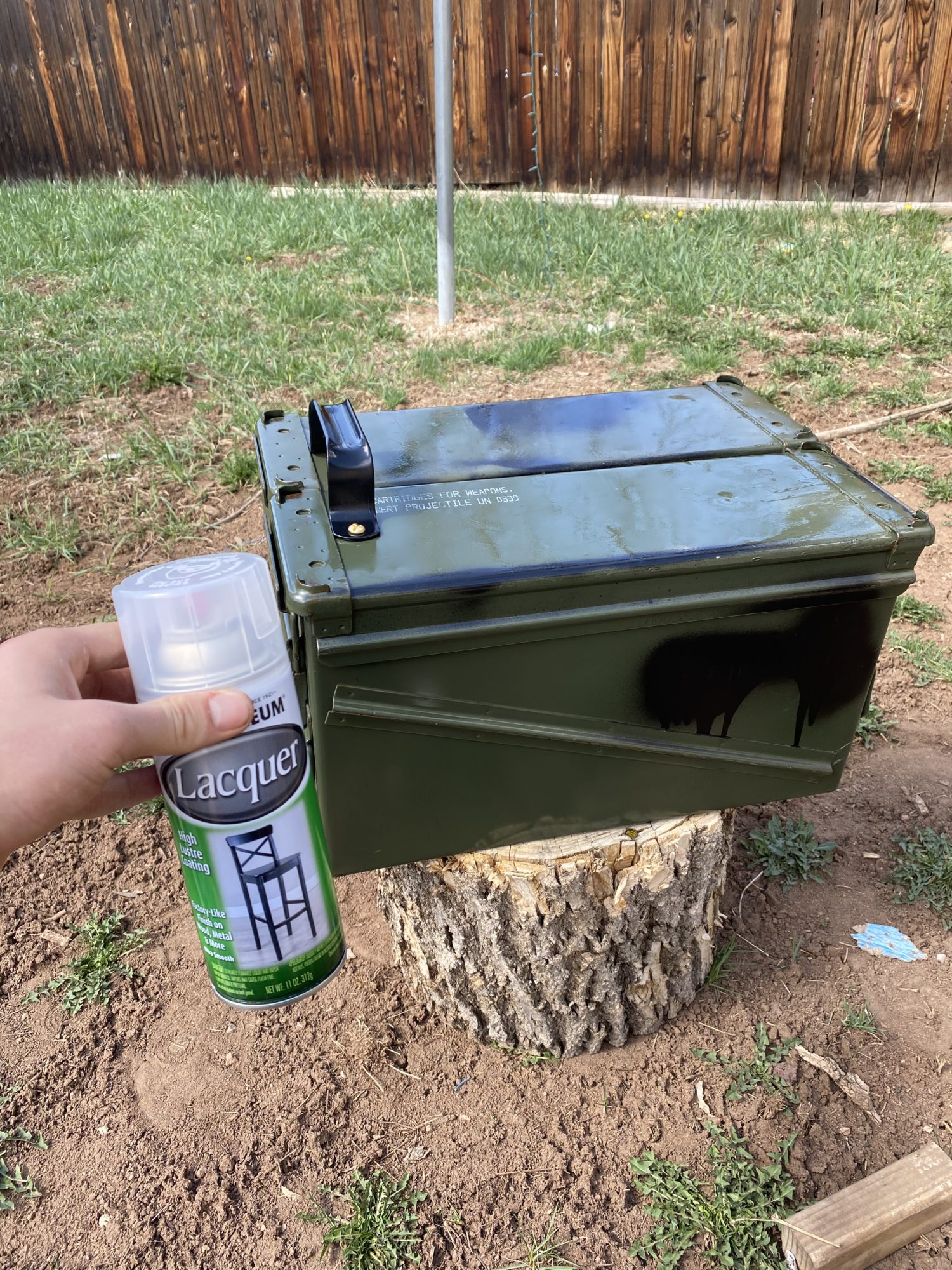
To keep bulk ammo reliable for decades, prioritize a stable, low-humidity environment above all else. Seal your rounds in airtight military-grade ammo cans with desiccant packs, swapping them out every six months to prevent moisture from corroding primers and powder. Store cans off bare concrete floors on wooden pallets or metal shelving, as cold seeps up and creates condensation. Maintain a consistent temperature between 55–70°F; thermal cycling is the silent killer that degrades propellant faster than any other factor. Rotate your oldest stock to the front and shoot through it first, ensuring your reserve never exceeds its safe lifespan. Avoid storing loose rounds in bulk bags—they invite friction damage and humidity intrusion. Use silica gel indicators to monitor moisture, and open your cans only in dry conditions to avoid trapping humid air. These steps transform your investment into a long-term asset.
Controlling Humidity and Temperature to Prevent Corrosion
To Rifle Ammo for Sale keep bulk ammo lethal for decades, **controlling humidity and temperature to prevent corrosion** is non-negotiable. Moisture is the enemy—it oxidizes brass, rusts steel, and degrades primers. Keep your storage space below 50% relative humidity using desiccant packs or a rechargeable dehumidifier, and avoid attics or garages where daily temperature swings cause condensation inside ammo cans. Aim for a stable 60–70°F; rapid shifts force moisture out of the air and onto cold cartridge surfaces. Seal your stockpile in airtight ammo cans with a tight-fitting gasket, and inspect periodically.
- Use silica gel desiccants in every sealed can.
- Store ammo off concrete floors to prevent wicking dampness.
- Add a hygrometer to monitor humidity 6.5 PRC Ammo for Sale levels monthly.
- Never open cans in humid conditions—wait for a dry day.
Airtight Ammo Cans vs. Factory Packaging: What Actually Works

Factory packaging—thin cardboard trays and flimsy plastic sleeves—offers negligible moisture resistance and collapses under stack weight, inviting crush damage and humidity ingress. For bulk ammo stored beyond a single season, airtight ammo cans with rubber gaskets are the definitive choice, as they create a sealed barrier against condensation and airborne oxidants. Simply adding desiccant packs inside a can beats relying on original boxes, which never re-seal once opened. However, keep ammo in its factory tray inside the can—this prevents bullet setback and primer contact during transport. Foam-lined cans worsen issues by trapping moisture, so use bare cans. Test each gasket yearly by closing on a dollar bill and tugging; if it slides, replace the seal. For short-term range trips, factory boxes suffice, but for decade-scale reliability, the can wins unconditionally.
Airtight cans outperform factory packaging for long-term bulk ammo storage by sealing out moisture, with original trays kept inside for physical protection; factory boxes are only viable for short, dry intervals.
Rotating Your Supply So Older Rounds Get Used First
When you buy bulk ammo, first-in, first-out rotation is the only way to keep your stockpile uniformly reliable. Physically place new shipments behind older boxes on your shelf, so your hand automatically reaches for the rounds with the most storage time first. Mark each case with the purchase date using a permanent marker, and inspect those older rounds during your quarterly range sessions—shoot them before they accumulate decades of temperature swings or humidity exposure. Even sealed primers and powder degrade microscopically over time, so rotating isn’t paranoia—it’s precision inventory management. Rotate by lot number when you have multiple purchases, and never mix old and new in the same magazine, because pressure inconsistencies can affect your zero. Make rotation a habit every time you restock, not a yearly chore.
Rotating oldest rounds first prevents age-related degradation, preserves ballistic consistency, and ensures every round in your bulk stockpile performs exactly when you need it.
Smart Logistics: Shipping Costs, Delivery Times, and Order Timing
Ordering bulk ammo hinges on timing to dodge peak shipping surges, as carriers spike rates before hunting seasons—so schedule large deliveries for mid-week, not Mondays, to avoid weekend backlogs. Heavier crates push costs exponentially, so splitting a 5,000-round order into two pallets can slash per-pound fees while keeping delivery windows tight. Expect 3–5 day transit for ground freight, but choose expedited only if your range session is immovable—otherwise, standard shipping saves enough to fund another box. Track cutoff times ruthlessly: a 2 PM order placed Tuesday often lands by Friday, while a Thursday evening purchase waits through the weekend. *Stacking orders with a reloading buddy may halve shipping per case, though coordination delays sometimes outweigh the savings.*
Calculating the True Price Per Pound with Freight Charges
Ignoring freight when pricing bulk ammo skews your cost per round. Calculate the true price per pound with freight charges by adding the shipping fee to the ammo’s base cost, then dividing that total by the shipment’s gross weight, including packaging. For example, a 40-pound case at $600 with $45 freight yields $16.13 per pound, not $15.00. To compare vendors accurately:
- Request total landed cost from each seller.
- Divide by actual delivered pounds.
- Convert to per-round cost using your ammo’s cartridge weight.
This reveals whether a cheaper per-case price disappears under higher freight. Always recalculate after adding pallet or hazmat surcharges—your buying decision hinges on that final, shipping-inclusive figure.
When to Place Your Order to Avoid Seasonal Stockouts
To dodge seasonal stockouts, place your bulk ammo order **before the late-summer rush**, ideally in early July. That’s when hunting season prep and pre-holiday panic buying start draining shelves. By ordering then, you beat the backorder wave that hits in September and October. Also, avoid late November through December—shipping carriers get slammed, and suppliers run thin on popular calibers. A smart trick: set a recurring calendar reminder for June and February, right after post-holiday restocks. This timing keeps your stash full without the scramble. Ordering two months ahead of peak demand is your safest bet.
**Q: When should I order to avoid seasonal stockouts?**
A: Aim for early summer (June–July) 6.5 Creedmoor Ammo for Sale and late winter (February), before hunting season and holiday demand spike.
Splitting a Large Order With Friends to Maximize Discounts
Splitting a large order with friends hinges on aggregating volume to cross tiered discount thresholds while distributing the fixed shipping cost. First, agree on a single caliber and SKU to avoid conflicting inventory availability, then consolidate payment to a single card to unlock the highest bulk price break. Next, calculate the per-person cost by dividing the subtotal, taxes, and flat-rate freight—splitting a heavy crate of 1,000 rounds often saves $30–$60 per 7mm WSM Ammo for Sale participant versus individual orders. Finally, designate one recipient’s FFL for transfer, but verify that the dealer permits multi-party pickup and does not charge per-person background check fees. Coordinated bulk ammo purchases require a strict spreadsheet for owed amounts, a pre-set pickup date, and a rule that ammo is distributed only after full payment clears, preventing disputes over partial pallets or mismatched lot numbers.

Getting the Most Accuracy Out of Mass-Produced Rounds
Bulk ammo arrives in battle-packs and cardboard trays, each cartridge a twin of the last, but your rifle still sorts them into friends and strangers. To squeeze the most accuracy from these mass-produced rounds, first weigh a sample lot—even a two-grain spread tells you which heads will group tight and which will wander. Sort by headstamp and lot number, because a single case can flier you out of a nice three-shot cluster. Then, test seating depth: a hundredth of an inch off the lands can turn a mediocre batch into a one-hole story. But even the finest bulk ammo is a lottery ticket, and your job is to buy the winning numbers by shooting fouling groups to season the bore. Finally, keep your barrel’s carbon signature consistent—alternate cleaning schedules, not patches, because a dirty barrel shoots its own rhythm, and your best groups come from learning that rhythm, not fighting it.
Sorting by Headstamp and Weight for Tighter Groups
To tighten groups with bulk ammunition, begin by sorting cartridges by headstamp, as mixed brass from different manufacturers often varies in case wall thickness and internal volume, which alters pressure and velocity. Next, weigh each round on a digital scale, grouping bullets within a 0.1–0.2 grain window; consistent projectile mass reduces vertical stringing at distance. For optimal precision from bulk ammo, combine both filters—first segregate by headstamp, then subdivide by weight—before testing each lot at 100 yards. This process isolates manufacturing variance, letting you dedicate the most uniform sub-lot to your most demanding shooting sessions.
- Discard any rounds with visibly damaged or deformed primers or bullets during sorting.
- Use a reloading tray to keep sorted groups separated and avoid mix-ups.
- Record average velocities for each sorted lot to confirm consistency before range time.
Zeroing Your Optic for the Specific Batch You Bought
Batch-to-batch variation in bulk ammunition shifts your point of impact, so zeroing for your specific lot number is non-negotiable. When you open a new case, Shotgun Ammo for Sale record the lot code, then fire a three-shot group at your intended zero distance—not a cold bore snap, but a fouled barrel. Adjust your optic to that group’s center, not the previous batch’s data. Confirm with a second group; if it prints a different mean, re-adjust. Store this zero in your logbook alongside the lot number, and re-zero whenever you switch boxes. Windage and elevation turrets must be dialed for *that* ammunition’s velocity and ballistic coefficient, not generic factory specs.
Q: Why can’t I keep my old zero when I buy another 500-round case of the same brand?
A: Even within the same brand and grain weight, powder lots, case wall thickness, and projectile seating depth vary slightly in mass-produced rounds. These subtle changes alter muzzle velocity and chamber pressure, shifting your bullet’s trajectory enough to miss at 100+ yards. Only a live-fire zero check per batch accounts for those physical deviations.
Testing a Small Sample First Before Committing to a Massive Purchase
Before sinking cash into a skid of bulk ammo, burn through a single box from that same lot number. Your rifle’s point-of-impact can shift wildly between manufacturing runs, so verifying zero with a small sample prevents wasting hundreds of rounds on a load your gun hates. Check for pressure signs, inconsistent velocity, or failures-to-feed—flaws that repeat across an entire batch. If the test group prints tight and cycles cleanly, you’ve earned the right to buy big. If not, you’ve dodged a costly mistake. Lot-specific accuracy validation turns a gamble into a calculated investment.